

- January 19, 2026
Exploring Karnataka’s Food Culture: History, Traditions, and Must-Try Dishes
Karnataka’s food culture is a celebration of history, geography, and heartfelt tradition. From the spice-rich coastlines to the millet-loving interiors, every region offers a distinct identity on the plate. Rooted in simplicity yet elevated by centuries of refinement, Karnataka cuisine is more than nourishment—it is a story of devotion, heritage, and a deep connection with nature.
The Historical Roots of Karnataka’s Cuisine
The evolution of Karnataka’s cuisine dates back to ancient dynasties like the Chalukyas, Hoysalas, and the Vijayanagara Empire. Royal kitchens crafted elaborate spreads that emphasized balance, flavor, and nourishment. The region’s devotion to Sattvik food—pure, vegetarian, and wholesome—shaped many dishes still beloved today.
Temples played a major role in preserving this culinary ethos. Offerings such as Puliyogare (tamarind rice) and Chakkuli (crispy spirals) became integral to temple rituals and later, household cooking. Over centuries, Karnataka’s royal courts, monasteries, and agrarian lifestyles merged to create a cuisine that’s both diverse and deeply spiritual.
Regional Flavors: From Coast to Hills
Coastal Karnataka – Where Spice Meets the Sea
The coastal belt, including Mangalore, Kundapura, and Udupi, brims with coconut-based gravies, fresh seafood, and aromatic spices. The coastal style of cooking reflects the region’s lush landscape—vibrant, bold, and wholesome. Dishes like Neer Dosa, Mangalore Fish Curry, and Kori Rotti highlight the love for rice and seafood in this part of Karnataka.
Malnad and Kodagu – The Forest Cuisine
The Western Ghats region offers a cuisine rooted in nature. Seasonal produce such as bamboo shoots, wild mushrooms, and jackfruit form the backbone of Malnad and Kodagu food. Here, the earthy Pandi Curry (Coorg-style pork) and tangy Kadambuttu (rice dumplings) illustrate how food is shaped by terrain and rainfall.
Mysore and Bangalore – Vegetarian Royalty
In contrast, the Mysore region celebrates vegetarian excellence, refined through centuries of royal tradition. Iconic dishes such as Bisi Bele Bath, Ragi Mudde, and Mysore Pak were once served in palaces and temples alike. This is the heritage Mysore Aduge proudly carries forward—crafting authentic vegetarian cuisine that embodies Mysore’s essence and simplicity.
Rituals, Festivals, and the Cultural Connection
Food in Karnataka is more than sustenance—it’s a ritual of gratitude and community. Festivals like Ugadi, Makara Sankranti, and Dasara bring families together around elaborate vegetarian feasts served on banana leaves. Each dish carries a symbolic meaning: sweetness for happiness, bitterness for acceptance, and spice for vitality.
Temple offerings, or prasadam, remain an inseparable part of daily life. Meals are traditionally enjoyed by hand, reinforcing a sense of connection and mindfulness. In Karnataka, food nourishes not just the body but also the spirit.
The Modern Evolution of Karnataka Cuisine
Today, Karnataka’s traditional recipes thrive in modern settings, from high-end restaurants to family-run eateries across India. The growing interest in regional Indian cuisines has brought Karnataka’s flavors to new audiences.
If you’re in the capital, authentic tastes await at South Indian restaurants in Delhi, where age-old recipes meet modern presentation.
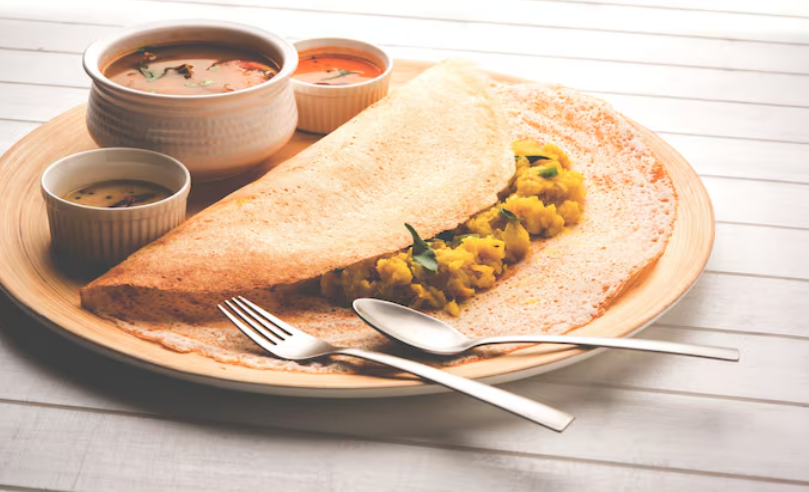
Those in Gujarat can savor dosas and sambar prepared with genuine coastal influence at South Indian restaurants in Vadodara.
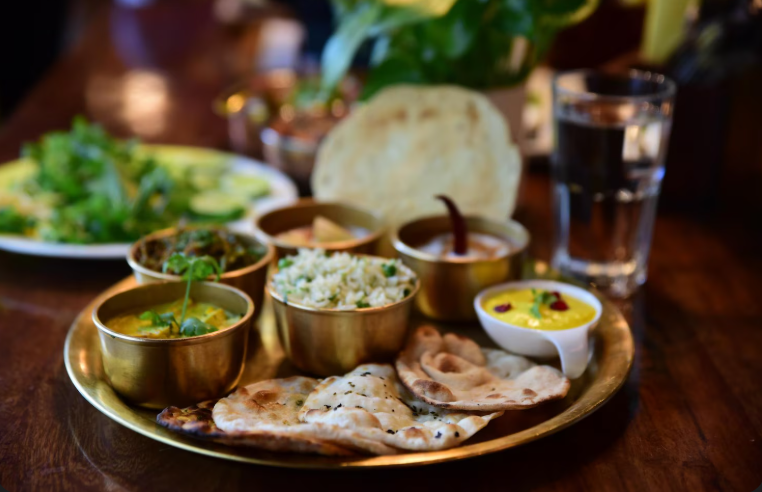
In the heart of Rajasthan, you’ll find some of the best South Indian restaurants in Jaipur, serving wholesome Karnataka-style thalis that bring the south to the desert.
And for passionate entrepreneurs, bringing Karnataka’s vegetarian legacy to your city can start with a food franchise in Pune—a delicious way to blend business and tradition.
Must-Try Dishes from Karnataka
Bisi Bele Bath
A flavorful blend of rice, lentils, tamarind, and spices—this dish defines the soul of Karnataka cuisine. Traditionally served with ghee and boondi, it’s comfort food at its finest.
Neer Dosa
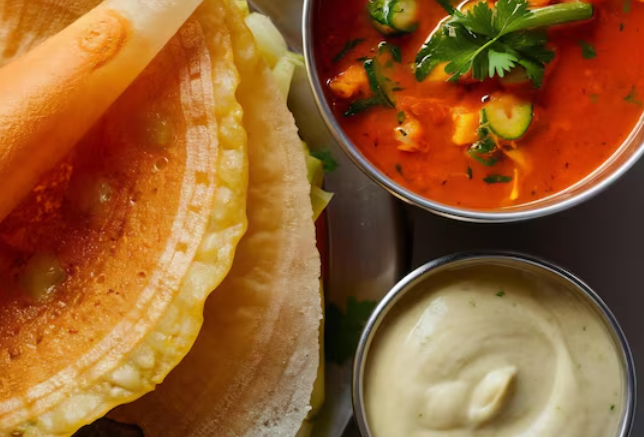
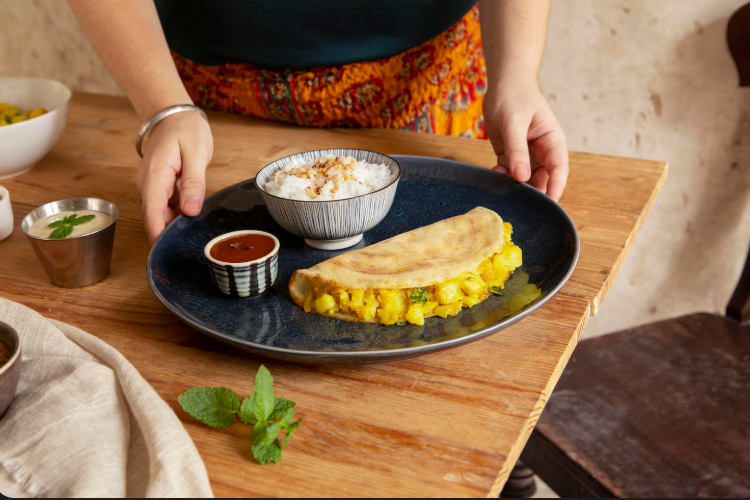
Soft, paper-thin crepes made from rice batter, often paired with chutney or coconut curry. Its simplicity captures the essence of the coastal diet.
Mysore Pak
A royal dessert invented in the Mysore Palace, made from ghee, sugar, and gram flour. Each bite is rich, velvety, and steeped in history.
Ragi Mudde with Sambar
This humble finger millet ball symbolizes Karnataka’s agrarian roots. High in nutrition, it pairs perfectly with spicy lentil-based gravies.
Puliyogare
Tamarind rice with roasted spices—a temple favorite that has traveled from offerings to dining tables across the world.
Conclusion
Karnataka’s food culture stands as a living narrative of the state’s landscapes, traditions, and people. From coastal spice to royal sweetness, every meal tells a story of authenticity and community.
If you wish to experience this legacy first-hand, Mysore Aduge invites you to explore, taste, and share the true flavors of Karnataka—crafted with devotion and heritage in every bite.
Frequently Asked Questions
Its diversity—coastal, hilly, and plateau cuisines each bring distinct flavors, ingredients, and traditions.
Mysore Pak, Bisi Bele Bath, Ragi Mudde, and Puliyogare are among the state’s most iconic vegetarian dishes.
Coastal Karnataka, especially Mangalore and Udupi, is renowned for its coconut-based seafood dishes.
It varies—coastal food tends to be spicier, while central and southern dishes focus on balanced flavors.
Meals are deeply tied to religious rituals, festivals, and the idea of community dining on banana leaves.
You can find traditional Karnataka dishes in South Indian restaurants across Delhi, Vadodara, and Jaipur.