

- October 31, 2025
Is Dosa Good for Weight Loss? A Complete Guide Inspired by Mysore’s Authentic Cuisine
Introduction – The Timeless Charm of Dosa and Its Modern Health Appeal
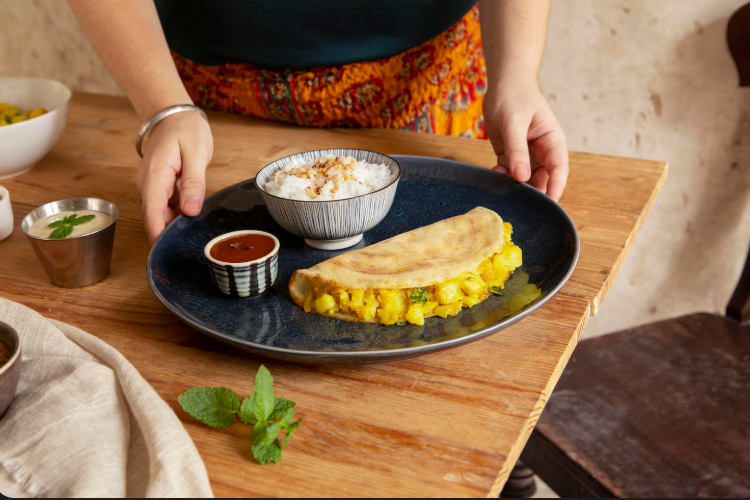
Dosa is more than just a breakfast dish—it’s an emotion deeply rooted in the cultural and culinary heritage of South India. From the royal kitchens of Mysore to bustling modern cafés, dosa continues to be celebrated for its balance of flavor, nutrition, and simplicity.
But beyond its cultural importance, many health-conscious individuals now ask: Is dosa good for weight loss? The answer lies in how it’s made, what ingredients are used, and how it fits into a balanced lifestyle.
At Mysore Aduge, we believe that authentic South Indian food—when prepared with care and the right balance—can be both delicious and nourishing.
Understanding Dosa: A South Indian Marvel with Health Benefits
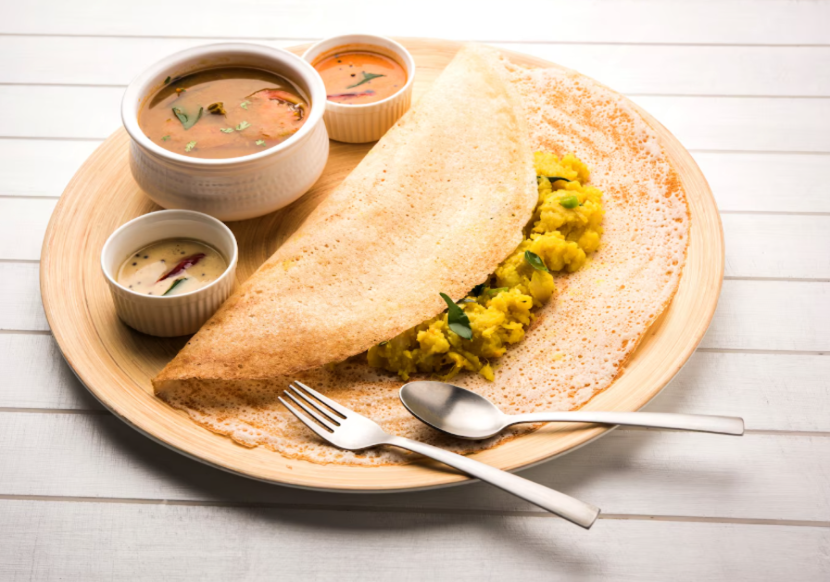
The dosa, originating from South India, is a fermented crepe made primarily from rice and urad dal. This combination creates a meal that’s rich in complex carbohydrates, protein, and beneficial probiotics.
The Nutritional Value of Dosa
- Calories: ~130–150 per plain dosa
- Protein: 3–4 g
- Carbohydrates: 25–30 g
- Fat: 2–4 g
- Fiber: 1–2 g
Fermentation not only enhances taste but also improves the digestibility and bioavailability of nutrients, making dosa a gut-friendly and metabolism-boosting food—ideal for weight management.
The Science Behind Dosa and Weight Loss
A dosa made with the right balance of ingredients can be an excellent addition to a calorie-conscious diet. Fermented foods like dosa naturally aid in digestion and support gut health, which is crucial for weight control.
The complex carbohydrates in dosa release energy slowly, helping you stay full longer and preventing overeating. Additionally, using minimal oil and protein-rich lentils can make dosa a wholesome, satisfying meal that promotes healthy weight loss.
Healthier Versions of Dosa for Weight Watchers
Not all dosas are created equal. Here are some lighter, more nutrient-rich versions that can support your health and fitness goals:
1. High-Protein Lentil Dosa
Swap part of the rice with moong dal or quinoa to boost protein content and reduce carbohydrates.
2. Oats Dosa
Made from ground oats and curd, this dosa is rich in fiber, improving satiety and gut health.
3. Ragi Dosa
Ragi, or finger millet, is low in fat, high in calcium, and excellent for bone health—ideal for those seeking a low-glycemic meal.
4. Vegetable Dosa
Add finely chopped spinach, carrots, or cabbage for an extra dose of micronutrients and antioxidants.
5. Mysore Masala Lite
Inspired by Mysore Aduge’s culinary roots, this version uses minimal oil and a lighter filling while maintaining authentic Mysore flavors.
Dosa vs Other Popular Breakfasts
Breakfast | Calories (per serving) | Protein (g) | Fat (g) | Fiber (g) |
Dosa | 140 | 4 | 3 | 2 |
Idli | 120 | 3 | 1 | 2 |
Paratha | 250 | 6 | 10 | 2 |
Upma | 200 | 4 | 7 | 2 |
Poha | 220 | 3 | 6 | 2 |
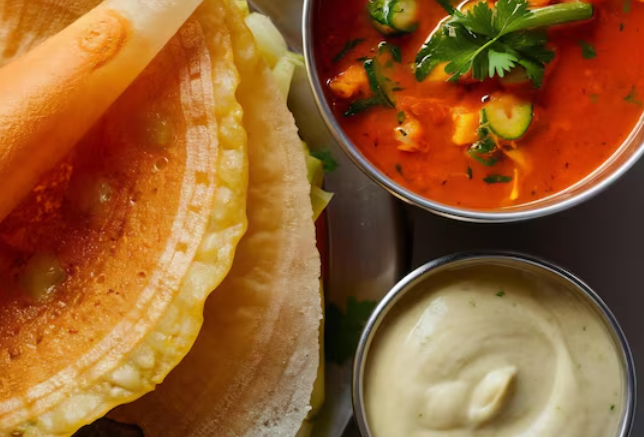
Compared to other options, dosa offers a lighter yet satisfying meal, especially when paired with sambar and vegetable chutneys.
Tips to Make Your Dosa Weight-Loss Friendly
- Use minimal oil—opt for a non-stick pan or brush lightly with ghee.
- Choose lentil-based or ragi dosas for more protein and fiber.
- Avoid coconut chutney; go for tomato, mint, or coriander chutney instead.
- Skip heavy masala fillings—try vegetable-based mixes.
- Watch portion sizes and pair dosa with protein sources like sambar or paneer.
Common Myths About Dosa and Weight Gain
Myth 1: Dosa is full of carbs.
Truth: Dosa provides complex carbs that fuel your body efficiently and don’t spike blood sugar when eaten in moderation.
Myth 2: Masala dosa causes belly fat.
Truth: The issue isn’t the dosa but excess oil or butter. Use less fat, and you have a balanced meal.
Myth 3: You can’t eat dosa every day.
Truth: When paired with the right chutneys and fillings, dosa can be part of a healthy, daily diet.
The Mysore Way: Balancing Taste and Health
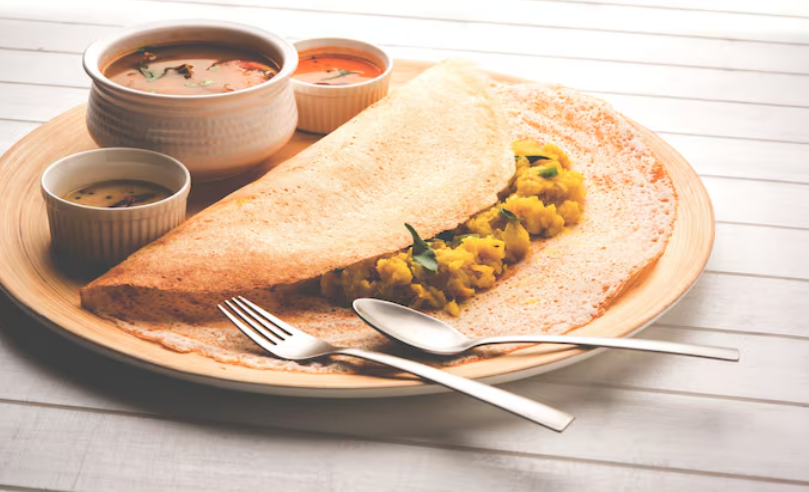
Mysore’s culinary tradition is deeply rooted in Sattvik food principles—pure, balanced, and nourishing. The Mysore Masala Dosa, a timeless classic, embodies this harmony of taste and wellness.
At Mysore Aduge, every dish is crafted with authentic ingredients and traditional techniques that preserve nutrition while enhancing flavor. Our food reflects the essence of Mysore’s vegetarian cuisine—rich in culture, mindful of health, and full of authentic taste.
If you’re inspired by this heritage and dream of sharing authentic Mysore flavors, consider exploring our restaurant franchise in Bangalore opportunity.
Verdict: So, Is Dosa Good for Weight Loss?
Yes, dosa can absolutely be part of a weight-loss diet—especially when made with the right ingredients, cooked with minimal oil, and paired with nutritious sides.
It’s a wholesome, fermented, and satisfying food that aligns perfectly with healthy living. Whether you’re enjoying a plain dosa or a Mysore-style twist, balance and portion control are key.
At Mysore Aduge, we bring you authentic South Indian dishes prepared the traditional way—healthy, delicious, and filled with love.
Experience Authentic South Indian Cuisine and Growth Opportunities
If you are passionate about authentic South Indian food and dream of sharing Mysore’s rich vegetarian heritage, join our growing network of partners.
- Explore our south indian food franchise in Bangalore to serve authentic Mysore-style dishes with unmatched support and guidance.
- Become part of our expanding family through the dosa franchise in Karnataka program and bring wholesome, flavorful dosas to your city.
Visit Mysore Aduge to experience how tradition, authenticity, and wellness come together in every dish.
Frequently Asked Questions
It’s best eaten in the morning or for lunch, as the body digests fermented foods better during active hours.
Ragi dosa, oats dosa, and moong dal dosa are great options for weight management.
Yes, in moderation. Choose lentil-based or mixed-grain dosas with low-glycemic fillings.
Yes, if made with less oil and filled with lightly sautéed vegetables instead of heavy potatoes.
Absolutely, as long as you balance it with protein, fiber, and other nutrient-rich foods.
Avoid high-fat sides like coconut chutney or butter; instead, opt for sambar or mint chutney.